Akṣaya Tṛtīyā (अक्षय तृतीया), popularly known as Akha Teej in western and northern India, is one of the most auspicious days in the Hindu and Jain religious calendars. Falling on the third lunar day (tṛtīyā) of the bright fortnight (Śukla Pakṣa) of the month of Vaiśākha (April–May), it is celebrated as the day when every meritorious deed — charity, worship, new beginnings — yields imperishable (akṣaya) results. The Sanskrit word akṣaya (अक्षय) literally means “that which never diminishes,” and this single concept infuses every aspect of the festival: from the mythological narratives that sanctify the date to the contemporary practice of purchasing gold as a symbol of enduring wealth.
No other day in the Hindu calendar carries quite the same concentration of auspicious mythological events. Tradition attributes to this single tithi the birth of Lord Paraśurāma, the beginning of Tretā Yuga, the descent of the River Gaṅgā from heaven, Vyāsa’s commencement of the Mahābhārata, Kṛṣṇa’s gift of the Akṣaya Pātra to the Pāṇḍavas, Sudāmā’s transformative visit to Dvārakā, and Kubera’s appointment as the divine treasurer. In Jainism, it commemorates the first Tīrthaṅkara Ṛṣabhadeva’s breaking of a year-long fast. This extraordinary convergence of sacred narratives has made Akṣaya Tṛtīyā a day revered across traditions, regions, and centuries.
Etymology and Calendrical Timing
The festival’s name is a compound of two Sanskrit words: akṣaya (a- “not” + kṣaya “decay, diminution”) and tṛtīyā (“third”), referring to the third tithi of the waxing moon. The name encapsulates the belief that any virtuous act performed on this day — whether a gift of grain, a sacred bath, the recitation of a mantra, or the commencement of a new venture — will produce merit that never erodes.
Akṣaya Tṛtīyā falls in the Hindu month of Vaiśākha, which corresponds roughly to mid-April through mid-May in the Gregorian calendar. The exact date varies each year according to the pañcāṅga (Hindu almanac), determined by the position of the moon. The day is considered especially powerful when it coincides with a Rohiṇī Nakṣatra (the constellation associated with Kṛṣṇa) and when the sun and moon are both exalted — conditions that amplify the day’s already immense spiritual potency. Jyotiṣa texts classify Akṣaya Tṛtīyā among the rare svayam-siddha muhūrtas — “self-accomplished auspicious moments” — meaning it requires no additional astrological calculation to confirm its auspiciousness.
Mythological Associations
The Birth of Paraśurāma
The most widely cited mythological event associated with Akṣaya Tṛtīyā is the birth of Paraśurāma, the sixth avatāra of Lord Viṣṇu. Born to the sage Jamadagni and his wife Reṇukā in the lineage of Bhṛgu, Paraśurāma received his legendary axe (paraśu) from Lord Śiva after years of intense penance. The Bhāgavata Purāṇa (9.15–16) narrates how Paraśurāma rid the earth of tyrannical Kṣatriya rulers twenty-one times, restoring dharma in an age of oppression. His birth on Akṣaya Tṛtīyā is celebrated as Paraśurāma Jayantī in many parts of India, with special worship in temples across Kerala, Konkan, and Karnataka. The imperishable nature of this day is linked to Paraśurāma’s own immortality — he is counted among the seven Cirañjīvīs (immortals) who, according to the Skanda Purāṇa, will endure until the end of the present cosmic cycle.
Sudāmā’s Visit to Kṛṣṇa
One of the most beloved narratives linked to Akṣaya Tṛtīyā is the story of Sudāmā (also called Kucela), a poor Brāhmaṇa who was Kṛṣṇa’s childhood friend from the gurukula of Guru Sāndīpani. Overwhelmed by poverty, Sudāmā’s wife urged him to seek help from his divine friend, now the king of Dvārakā. With nothing to offer but three handfuls of pṛthuka (flattened/puffed rice) — a humble gift wrapped in a tattered cloth — Sudāmā arrived at Kṛṣṇa’s magnificent palace.
The Bhāgavata Purāṇa (10.80–81) describes the deeply moving reunion: Kṛṣṇa rushed barefoot to embrace his old friend, washed Sudāmā’s travel-worn feet with his own hands, and seated him on his own throne. When Sudāmā, embarrassed by the meagerness of his gift, tried to conceal the rice, Kṛṣṇa playfully snatched it and ate a handful with delight, declaring that a gift offered with love surpasses all riches. Sudāmā returned home without asking for anything — only to discover that his dilapidated hut had been transformed into a grand palace, and his family was draped in fine garments and jewels. This story, set on Akṣaya Tṛtīyā, teaches that sincere devotion and a pure heart attract imperishable divine grace, and that true prosperity flows not from hoarding but from selfless offering.
The Descent of the Gaṅgā
According to tradition, Akṣaya Tṛtīyā marks the day when the celestial River Gaṅgā descended from Svarga (heaven) to Bhūloka (earth). The Rāmāyaṇa (Bāla Kāṇḍa, chapters 42–44) and the Bhāgavata Purāṇa narrate how King Bhagīratha performed severe austerities to bring the Gaṅgā to earth so that the ashes of his sixty thousand ancestors — the sons of King Sagara, who had been reduced to ash by Sage Kapila’s fiery gaze — could be purified and their souls liberated. Lord Śiva received the tremendous force of Gaṅgā’s descent in his matted locks to prevent her from shattering the earth. The association of this event with Akṣaya Tṛtīyā makes the day especially sacred for ritual bathing (snāna) in rivers, particularly the Gaṅgā at Haridvāra, Prayāgarāja, and Vārāṇasī, where devotees believe the purifying merit of the water is multiplied infinitely.
Vyāsa Begins the Mahābhārata
Tradition holds that on Akṣaya Tṛtīyā, the great sage Kṛṣṇa Dvaipāyana Vyāsa began dictating the Mahābhārata to Lord Gaṇeśa, who served as the divine scribe. Gaṇeśa agreed to write only on the condition that Vyāsa would not pause in his narration, while Vyāsa stipulated that Gaṇeśa must understand every verse before writing it down. The result of this sacred collaboration — commenced on a day of imperishable merit — was the world’s longest epic poem, containing over one hundred thousand verses and encompassing the totality of dharma, artha, kāma, and mokṣa. The connection to Akṣaya Tṛtīyā underscores the idea that works of profound spiritual and literary significance, when begun on this day, are destined to endure forever.
Draupadī’s Akṣaya Pātra
The Mahābhārata (Vana Parva, Chapter 3) narrates how Yudhiṣṭhira, during the Pāṇḍavas’ twelve-year exile in the forest, prayed to Sūryadeva (the Sun God) with the 108 names of Sūrya. Pleased by his devotion, Sūrya bestowed upon him the Akṣaya Pātra — a miraculous vessel that would produce an inexhaustible supply of food each day until Draupadī had eaten her own meal, after which it would cease until the next day. This divine vessel sustained the Pāṇḍavas and their retinue throughout their forest exile, feeding not only the five brothers and Draupadī but also the sages, Brāhmaṇas, and visitors who came to their forest hermitage.
The most dramatic test of the Akṣaya Pātra came when the irascible Sage Durvāsā arrived with ten thousand disciples, demanding food after Draupadī had already eaten. In desperation, Draupadī prayed to Kṛṣṇa, who arrived and asked for any remaining morsel. Finding a single grain of rice and a fragment of vegetable stuck to the vessel, Kṛṣṇa ate it — and his cosmic satisfaction instantly sated the hunger of Durvāsā and all his followers, who slipped away without returning, their hunger mysteriously vanished. This narrative links Akṣaya Tṛtīyā to the principle that divine grace can transform the humblest offering into infinite abundance.
Kubera’s Appointment as Divine Treasurer
On Akṣaya Tṛtīyā, Kubera — the yakṣa king and devotee of Lord Śiva — is said to have been appointed the treasurer of the devas and the lord of wealth (Dhana-pati). After worshipping Goddess Lakṣmī with great devotion, Kubera received the divine treasury of Svarga and the guardianship of the northern direction (Uttara-dik-pāla). This association makes Akṣaya Tṛtīyā an especially appropriate day for Lakṣmī-Kubera worship and for invoking blessings of financial prosperity.
The Beginning of Tretā Yuga
Hindu cosmology divides cosmic time into four great ages (yugas): Satya, Tretā, Dvāpara, and Kali. According to tradition, the Tretā Yuga — the second age, characterized by the emergence of sacrifice and ritual as the primary means of upholding dharma — commenced on Akṣaya Tṛtīyā. The Tretā Yuga is the age of Lord Rāma, making this temporal association another layer of sanctity upon the day.
Jain Significance: Ṛṣabhadeva’s First Meal
In Jainism, Akṣaya Tṛtīyā holds profound significance as the day when Ṛṣabhadeva (Ādinātha), the first of the twenty-four Tīrthaṅkaras, ended a fast of extraordinary duration. Jain tradition records that after renouncing his kingdom, Ṛṣabhadeva wandered as an ascetic for over a year, unable to break his fast because no one understood the proper protocol for offering food to a Jain monk — the concept of monastic alms-giving had not yet been established in the world.
Finally, on Akṣaya Tṛtīyā, King Śreyāṃsa of Hastināpura, guided by a dream, offered Ṛṣabhadeva fresh sugarcane juice (ikṣu rasa) poured into his cupped palms. This moment — called Pāraṇā — established the Jain tradition of offering āhāra dāna (food charity) to monks and inspired the annual practice of breaking one’s fast with sugarcane juice on this day. Many Jain temples organize community celebrations, and the Akṣaya Tṛtīyā Mahotsava is one of the most important observances in the Jain calendar. The word akṣaya resonates deeply in Jain philosophy, where the ultimate goal is the attainment of imperishable liberation (mokṣa) through the exhaustion of all karma.
Rituals and Worship
Pūjā Vidhi
On Akṣaya Tṛtīyā, devotees rise before dawn, bathe, and prepare for worship. The principal deities invoked are Lord Viṣṇu (or his avatāras Kṛṣṇa and Paraśurāma), Goddess Lakṣmī, and Kubera. A traditional pūjā includes:
- Kalasha sthāpanā: Establishing a sacred pot filled with water, topped with mango leaves and a coconut, symbolizing abundance.
- Ṣoḍaśopacāra pūjā: The sixteen-step formal worship offering sandalwood paste (candana), vermilion (kuṅkuma), flowers, incense, lamp, and naivedya (food offering).
- Mantra recitation: Chanting of Viṣṇu Sahasranāma, Lakṣmī Aṣṭottara, or the Paraśurāma Gāyatrī Mantra.
- Satyanārāyaṇa Kathā: Many families perform the Satyanārāyaṇa Vrata, narrating the five chapters of the Satyanārāyaṇa story.
- Tulasī pūjā: Offering holy basil leaves to Viṣṇu, as Tulasī is considered Lakṣmī’s earthly manifestation.
- Anna dāna and vastra dāna: Distribution of food and clothing to the poor, considered the most meritorious charity on this day.
Charitable Giving (Dāna)
Dāna (giving) on Akṣaya Tṛtīyā is regarded as producing akṣaya puṇya — merit that never exhausts. Traditional texts prescribe specific forms of giving:
- Jala dāna: Offering water pots to travelers and the thirsty — especially significant in the scorching Indian summer.
- Anna dāna: Feeding the hungry, echoing the Akṣaya Pātra narrative.
- Chāyā dāna: Donating umbrellas, fans, or other items that provide shade and relief from heat.
- Pādukā dāna: Giving footwear to those who walk barefoot.
- Vastra dāna: Distributing clothing, particularly to Brāhmaṇas and the needy.
- Svarna dāna: Gifting gold, however small, as a symbol of Lakṣmī’s blessing.
The Dharmaśāstra texts emphasize that the merit of dāna given on Akṣaya Tṛtīyā surpasses that of charity performed on most other days, as the day’s akṣaya nature ensures the merit compounds across lifetimes.
The Gold-Buying Tradition
Perhaps the most visible contemporary observance of Akṣaya Tṛtīyā is the tradition of purchasing gold. Rooted in the mythological association with Kubera’s treasury and Lakṣmī’s blessings, the belief holds that wealth acquired on this day will never diminish — it will only grow. Gold, being itself a symbol of imperishable value (it does not tarnish, corrode, or decay), becomes a natural material expression of the akṣaya principle.
In practice, millions of Indians visit jewellery shops on Akṣaya Tṛtīyā, making it one of the highest gold-selling days of the year. The tradition extends beyond gold to include purchases of silver, property, and other investments. New businesses are launched, contracts are signed, and weddings are arranged, all to harness the day’s imperishable auspiciousness.
Modern Commercialization: A Debate
In recent decades, the gold-buying tradition has been significantly amplified by commercial marketing. Jewellery brands launch extensive advertising campaigns weeks before Akṣaya Tṛtīyā, framing gold purchases as quasi-religious obligations. Critics within the Hindu scholarly community have pointed out that this commercialization distorts the festival’s original spiritual emphasis on dāna (selfless giving) and tapas (austerity), replacing them with bhoga (consumption). The irony is not lost on thoughtful observers: a day whose mythology celebrates Sudāmā’s humble offering, Draupadī’s generosity in the face of scarcity, and Ṛṣabhadeva’s extreme renunciation has been rebranded as a day of conspicuous acquisition.
Traditional scholars argue that if gold is purchased on Akṣaya Tṛtīyā, it should be done as an act of śreyas (ultimate good) — perhaps as a gift to a temple, a charitable endowment, or savings for a child’s education — rather than mere accumulation. The original spirit of the day favours giving over getting, and the mythological narratives consistently reward generosity, not hoarding.
Agricultural Significance
Akṣaya Tṛtīyā holds deep agricultural roots, particularly in eastern and central India. Falling at the threshold of the summer planting season, the day traditionally marks the beginning of agricultural operations for the kharīf (monsoon) crop cycle.
In Odisha, the day is known as Akhi Muthi Anla and is observed as a farming festival. Farmers perform ceremonial ploughing, sow paddy seeds, and worship their agricultural implements. The state’s famous Rath Yātrā chariot construction at Purī also traditionally commences on Akṣaya Tṛtīyā, with the first log being ceremonially cut.
In Bengal, the day coincides with Hāl Khātā — the opening of new business ledgers and accounting books for the financial year. Shopkeepers and merchants perform Lakṣmī-Gaṇeśa pūjā, distribute sweets to customers, and inaugurate fresh account registers, symbolizing a year of imperishable prosperity.
Regional Variations
The festival’s observances vary richly across India’s cultural landscape:
- Vṛndāvana (Uttar Pradesh): The celebrated Caraṇa Darśana — a rare viewing of the feet of the Kṛṣṇa deity, which remain covered by garments throughout the rest of the year — takes place on Akṣaya Tṛtīyā at the Bāṅke Bihārī Temple. Thousands of devotees queue for this singular annual glimpse.
- Mahārāṣṭra: Married women exchange haldī-kuṅkuma (turmeric and vermilion) and visit friends and neighbours, reinforcing social bonds on this auspicious day.
- Tamil Nadu: Devotees offer special prayers at Viṣṇu and Lakṣmī temples, and charitable feeding programs (annadāna) are organized on a large scale.
- Rājasthān and Gujarat: The day is popularly known as Ākhā Tīj and is considered one of the most auspicious dates for arranging marriages, particularly child betrothal ceremonies in traditional communities.
- Kedārnāth (Uttarākhaṇḍ): The doors of the Kedārnāth Temple — one of the twelve Jyotirliṅgas, situated at 3,583 metres in the Himalayas — traditionally reopen on or near Akṣaya Tṛtīyā after the long winter closure, welcoming the first pilgrims of the season.
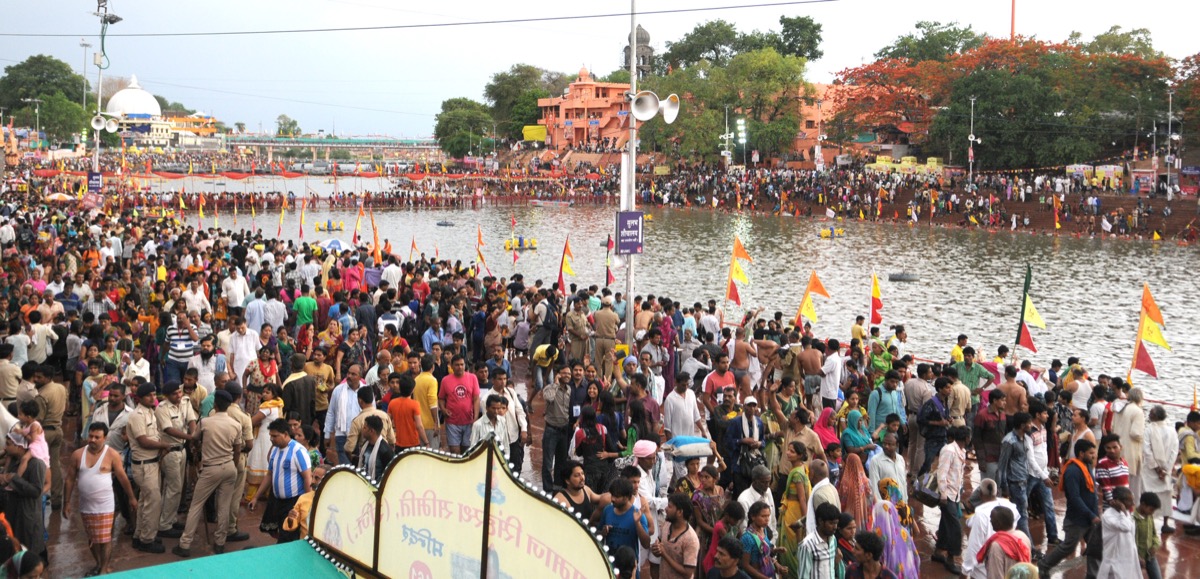
- Ujjain (Madhya Pradesh): During Kumbh Melā years, Akṣaya Tṛtīyā coincides with a Śāhī Snāna (royal bath) at the Kṣiprā River, drawing hundreds of thousands of ascetics and pilgrims for a mass ritual immersion, as seen during the 2016 Siṃhastha Kumbh Melā.
Spiritual Significance: The Philosophy of the Imperishable
At its deepest level, Akṣaya Tṛtīyā is a meditation on the nature of the imperishable in a world of constant change. Hindu philosophy distinguishes between kṣara (the perishable — the body, material wealth, worldly relationships) and akṣara (the imperishable — the ātman, divine grace, accumulated spiritual merit). The Bhagavad Gītā (15.16–17) teaches: “There are two puruṣas in this world — the perishable and the imperishable. All beings are perishable; the unchanging is called imperishable. But the Supreme Puruṣa is other than these — called the Paramātman.”
Akṣaya Tṛtīyā invites the practitioner to align with the imperishable: to give rather than grasp, to plant seeds of dharma rather than hoard transient gains, and to recognize that true akṣaya wealth is not gold in a safe but merit (puṇya) in the soul. The mythological narratives all converge on this lesson — Sudāmā’s handful of rice outweighed Kṛṣṇa’s treasury, Draupadī’s single grain fed ten thousand, and Ṛṣabhadeva’s year of hunger was broken not by a feast but by a cupful of sugarcane juice offered with understanding.
In an age that tends to reduce sacred occasions to commercial opportunities, the original vision of Akṣaya Tṛtīyā — a day when the smallest act of genuine devotion produces imperishable results — remains a powerful reminder that the most enduring wealth is the wealth of the spirit.