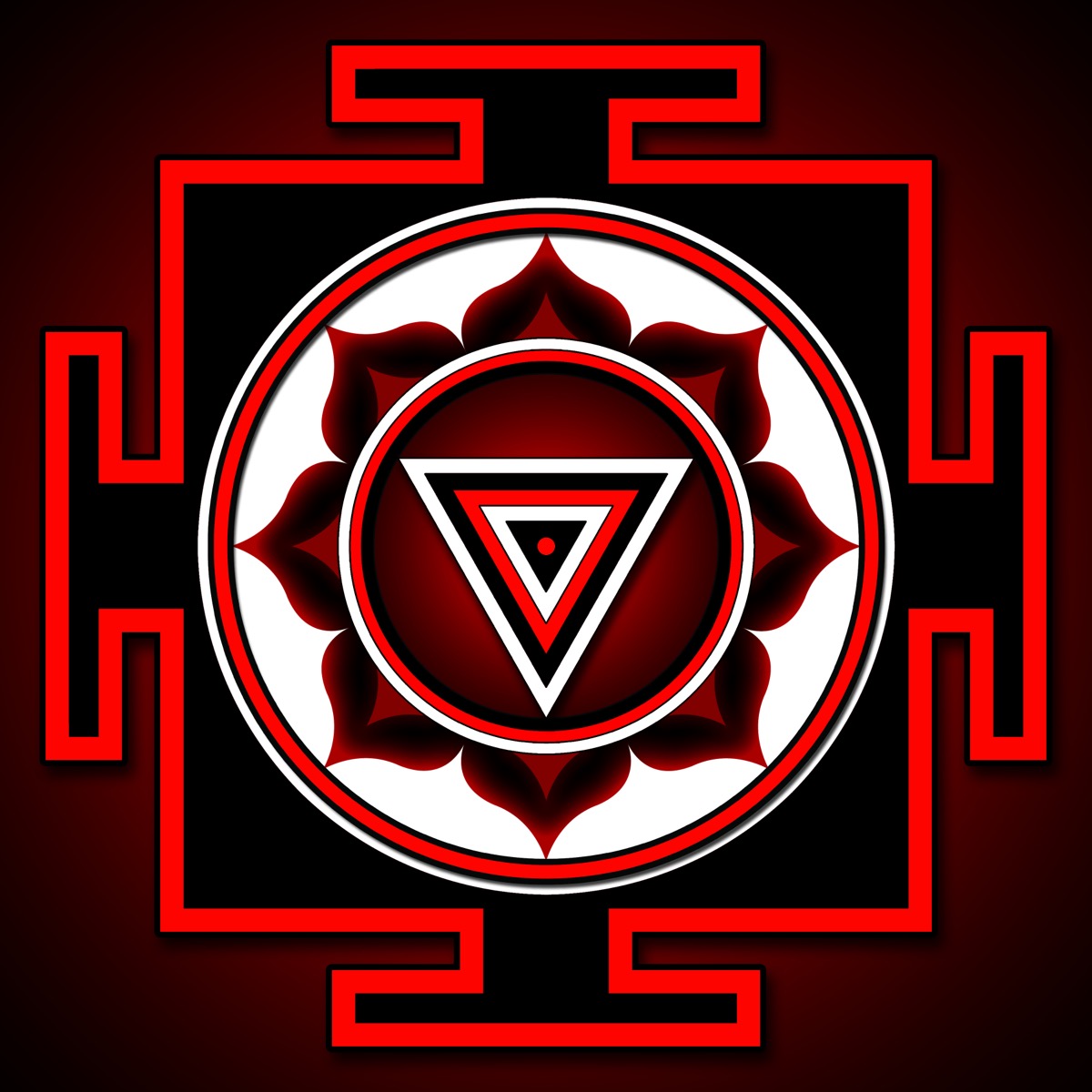
Tantra (तन्त्र) is one of the most profound, complex, and frequently misunderstood dimensions of Hindu spirituality. Far from the sensationalized popular image, the tantric traditions represent a vast and sophisticated body of philosophy, ritual, meditation, and yogic practice that has shaped Hindu worship, temple architecture, iconography, and theology for well over a millennium. From the non-dual metaphysics of Kashmir Śaivism to the goddess-centered practices of Śākta tantra, from the elaborate ritual systems of the Āgamas to the internalized yoga of the Nātha tradition, tantra encompasses a remarkably diverse spectrum of spiritual paths united by certain shared principles.
The word tantra itself derives from the root tan (“to stretch, expand, weave”), and is often interpreted as “that which expands knowledge” (tanyate vistāryate jñānam anena) or as a “loom” upon which the threads of reality are woven. The tantric traditions understand the entire cosmos as a fabric woven from divine consciousness and energy — and the tantric practitioner (sādhaka) as one who can directly access and transform this fabric through practice.
Historical Development
The roots of tantra extend deep into Indian antiquity. Scholars debate the precise origins, but tantric elements can be traced through several phases:
Early antecedents (pre-fifth century CE): Seeds of tantric thought appear in the Atharva Veda (with its mantras of power and ritual efficacy), the Śvetāśvatara Upaniṣad (with its theistic devotion to Śiva and emphasis on divine grace), and the Devī Sūkta of the Ṛg Veda (proclaiming the supreme power of the Goddess). The worship of goddesses, the use of sacred diagrams, and the practice of mantra all have Vedic roots.
Classical formulation (fifth to tenth centuries CE): This was the golden age of tantric literature. The great Āgama and Tantra texts were composed, articulating elaborate systems of theology, cosmology, ritual, and yoga. The Śaiva Āgamas (twenty-eight principal texts), the Śākta Tantras, and the Vaiṣṇava Pāñcarātra Saṃhitās all emerged during this period. Kashmir Śaivism reached its philosophical apex with thinkers like Somānanda, Utpaladeva, and Abhinavagupta.
Integration and expansion (tenth to fifteenth centuries CE): Tantric ideas increasingly permeated mainstream Hinduism. Temple ritual across India came to be governed largely by Āgamic prescriptions. The Nātha tradition, associated with Gorakṣanātha (Gorakhnath), synthesized tantric yoga with haṭha yoga practices. The Śrī Vidyā tradition, centring on the worship of the goddess Lalitā Tripurasundarī through the Śrī Yantra, became one of the most influential tantric lineages.
Later developments (fifteenth century CE onward): Tantric practices continued to evolve, influencing bhakti movements, Sikh mysticism, and eventually attracting the attention of Western scholars and spiritual seekers in the colonial and modern periods.
Core Principles of Tantra
Despite their diversity, tantric traditions share several fundamental principles that distinguish them from other Hindu spiritual paths:
1. The Sacredness of the Body and the World
Perhaps the most defining feature of tantra is its world-affirming orientation. While many orthodox Vedāntic traditions (particularly Advaita) tend toward world-negation — viewing the phenomenal world as māyā (illusion) to be transcended — tantra affirms that the material world, the human body, and all of experience are manifestations of divine consciousness and are therefore sacred. The body is not an obstacle to liberation but its instrument:
deho devālayaḥ proktaḥ jīvo devaḥ sanātanaḥ — “The body is declared to be a temple; the individual soul is the eternal deity.”
This principle leads to a radically inclusive spirituality: everything — including desire, emotion, the senses, and even what orthodox traditions consider impure — can become a vehicle for awakening.
2. Śakti: The Primacy of Divine Energy
Central to all tantric systems is the concept of Śakti (शक्ति) — the dynamic, creative power of the Divine. While Śiva represents pure consciousness (cit), Śakti represents the energy (śakti) through which consciousness manifests, creates, sustains, and dissolves the universe. The inseparability of Śiva and Śakti — consciousness and energy, the static and the dynamic — is a foundational tantric teaching:
śaktirahitaḥ śivaḥ śava eva — “Without Śakti, Śiva is a corpse (śava).”
This teaching has profound implications: the feminine principle is not subordinate to the masculine but is its very power of expression. In Śākta traditions, Śakti is supreme — the Goddess is not merely the consort of God but God Herself.
3. Mantra, Yantra, and Ritual Technology
Tantra is sometimes called a “technology of the sacred” because of its emphasis on specific, transmittable techniques for spiritual transformation:
Mantra: Sacred sound formulas that are not merely symbols of the divine but are understood to be the divine itself in sonic form. The tantric understanding of mantra goes far beyond prayer: each mantra is a śabda-brahman — the Absolute in the form of sound — and its repetition (japa) activates specific spiritual energies. The bīja mantras (seed syllables like oṃ, hrīṃ, śrīṃ, klīṃ) are considered especially potent.
Yantra: Sacred geometric diagrams that serve as visual representations of cosmic truths and as focal points for meditation and worship. The most celebrated is the Śrī Yantra — nine interlocking triangles forming a pattern of 43 smaller triangles around a central point (bindu) — which represents the entire cosmos as a manifestation of the goddess Lalitā Tripurasundarī. Each triangle, each intersection, and each enclosing circle corresponds to specific deities, energies, and states of consciousness.
Mudrā: Ritual hand gestures that channel and direct subtle energies within the body and in ritual space.
Nyāsa: The practice of “placing” mantras on different parts of the body, thereby divinizing the practitioner’s physical form and transforming the body into a living temple.
4. Guru and Initiation (Dīkṣā)
Tantric practice is transmitted through the guru-śiṣya paramparā (teacher-student lineage). Dīkṣā (initiation) is absolutely essential — without it, tantric practices are considered ineffective or even dangerous. The guru transmits not merely intellectual knowledge but śaktipāta — the descent of divine grace/energy that awakens the disciple’s dormant spiritual potential. The relationship between guru and disciple is considered sacred and inviolable.
Major Tantric Traditions
Kashmir Śaivism (Trika)
Kashmir Śaivism, also known as the Trika (“Triad”) system, is widely regarded as the philosophical pinnacle of Hindu tantra. Flourishing in the Kashmir valley from approximately the eighth to the twelfth centuries CE, it produced some of the most sophisticated non-dual philosophy in the Indian tradition.
The supreme figure of Kashmir Śaivism is Abhinavagupta (c. 950-1016 CE), whose magnum opus, the Tantrāloka (“Light on Tantra”), is a monumental encyclopaedia of tantric philosophy and practice running to over 5,800 verses across 37 chapters. His Parātrīśikā-Vivaraṇa and the brief but luminous Pratyabhijñā-hṛdayam (“Heart of Recognition”) by his disciple Kṣemarāja are among the most important texts.
The central teaching of Kashmir Śaivism is Pratyabhijñā (“Recognition”): liberation is not the attainment of something new but the recognition of what one already is — pure, infinite consciousness (Paramaśiva). The world is not illusion but a real manifestation (ābhāsa) of divine consciousness, created through the free creative power (svātantrya) of the absolute. The thirty-six tattvas (principles of reality) describe the process by which the one consciousness appears as the many — from the undifferentiated Paramaśiva through Śakti, Sadāśiva, Īśvara, and Śuddhavidyā down to the material elements.
The three key concepts of the Trika are:
- Śiva: Transcendent consciousness
- Śakti: The dynamic power of consciousness
- Nara (the individual): Consciousness appearing as the finite self
Liberation consists in realizing that nara is nothing other than Śiva — that the individual self is the universal consciousness, temporarily contracted by the malas (impurities) of āṇava (finitude), māyīya (differentiation), and kārma (accumulated action).
Śākta Tantra
Śākta tantra places the Goddess (Devī) at the centre of theology and practice. The Goddess is not merely a consort or an attribute of a male deity but is the Supreme Reality (Parā Śakti) — the source, sustainer, and destination of all existence.
Śākta tantra encompasses several important sub-traditions:
Śrī Vidyā: Perhaps the most refined Śākta system, centred on the worship of Lalitā Tripurasundarī (“The Beautiful Goddess of the Three Cities”) through the Śrī Yantra, the fifteen-syllable Pañcadaśī mantra, and elaborate ritual sequences. The Śrī Vidyā tradition is considered saumya (gentle) and samayācāra (right-hand path), making it accessible to a wide range of practitioners.
Kālī-krama: A tradition centred on the fierce goddess Kālī, emphasizing the transcendence of dualities and the direct confrontation with the terrifying aspects of reality — death, impermanence, and the dissolution of the ego. The Kālī-krama was closely connected to the Kaula traditions and to Kashmir Śaivism.
Kubjikā tradition: Centred on the goddess Kubjikā (“The Crooked One”), this was an important tantric lineage particularly in Nepal and parts of South India.
The Kaula Tradition
The Kaula (kula = “family” or “clan”) tradition represents one of the most esoteric and controversial dimensions of Hindu tantra. Kaula practices emphasized the direct experience of divine consciousness through transgressive rituals — the intentional crossing of social and ritual boundaries — as a means of shattering the ego’s attachment to conventional distinctions of pure and impure, sacred and profane.
The Pañcamakāra (“Five M’s”) — madya (wine), māṃsa (meat), matsya (fish), mudrā (parched grain), and maithuna (ritual union) — are the most well-known (and most misunderstood) Kaula practices. Orthodox tantric commentators have long insisted that these can be understood symbolically: madya as the nectar of spiritual bliss, māṃsa as the discipline of speech, and so forth. Whether literal or symbolic, the underlying principle is the same: the practitioner transforms ordinary experience into divine awareness by encountering reality without the filter of conditioned judgments.
Vaiṣṇava Tantra (Pāñcarātra)
The Pāñcarātra tradition is the tantric dimension of Vaiṣṇavism, devoted to Viṣṇu/Nārāyaṇa and His manifestations. The Pāñcarātra Saṃhitās (including the important Jayākhya, Sāttvata, and Pauṣkara Saṃhitās) prescribe elaborate systems of temple worship, mantra practice, and theology that govern Vaiṣṇava temple ritual across South India to this day. The Pāñcarātra teaches a fourfold manifestation (vyūha) of the Divine — Vāsudeva, Saṅkarṣaṇa, Pradyumna, and Aniruddha — and integrates bhakti with tantric ritual methodology.
The Tantric Body: Cakras, Nāḍīs, and Kuṇḍalinī
One of tantra’s most influential contributions is its detailed mapping of the subtle body (sūkṣma śarīra) — the network of energy centres and channels that underlies the physical body:
Cakras (चक्र, “wheels”): Seven primary energy centres aligned along the spine, from the Mūlādhāra (root) to the Sahasrāra (crown). Each cakra is associated with specific elements, deities, mantras, colours, and states of consciousness.
Nāḍīs (नाडी, “channels”): 72,000 subtle energy channels, of which three are paramount: the Suṣumnā (central channel), Iḍā (left, lunar), and Piṅgalā (right, solar).
Kuṇḍalinī (कुण्डलिनी, “the coiled one”): The dormant spiritual energy, metaphorically described as a coiled serpent sleeping at the base of the spine. Through tantric yoga practices — including prāṇāyāma, mantra, mudrā, and meditation — the kuṇḍalinī is awakened and guided upward through the cakras along the suṣumnā nāḍī. When it reaches the sahasrāra at the crown, the union of Śakti (kuṇḍalinī) with Śiva (pure consciousness) is achieved — this is the tantric understanding of liberation.
Tantra’s Influence on Mainstream Hinduism
The influence of tantra on mainstream Hindu practice is far more pervasive than most people realize:
- Temple worship: The daily rituals (pūjā) performed in Hindu temples across India follow Āgamic prescriptions, which are tantric texts. The consecration of temple images (prāṇa-pratiṣṭhā), the layout of temple architecture (vāstu), and the liturgical procedures all derive from tantric sources.
- Mantra: The mantras used in Hindu worship — from the Gāyatrī to the deity-specific bīja mantras — are tantric in origin and methodology.
- Festivals: Many Hindu festivals incorporate tantric elements, particularly those related to goddess worship such as Navarātri and Durgā Pūjā.
- Yoga: The haṭha yoga tradition, including the cakra system and kuṇḍalinī yoga, is directly derived from tantric practice, particularly the Nātha tradition.
Tantra in Bengal and Eastern India
The Bengal region has been one of the most important centres of tantric practice in India. The Śākta Pīṭhas — sacred sites where parts of the Goddess Satī’s body are said to have fallen — are concentrated in Bengal and eastern India, with the Kāmākhyā temple in Assam being among the most important. The Bengali Śākta tradition, with its worship of Kālī and Tārā, its Tantrasāra literature, and its influence on figures like Rāmakṛṣṇa Paramahaṃsa and Svāmī Vivekānanda, represents one of the richest living tantric traditions in the world.
Conclusion: The Way of Transformation
Tantra’s enduring contribution to Hindu spirituality is the radical insight that liberation does not require the rejection of the world but its transformation — that the body, the senses, desire, and the entire fabric of embodied experience can become the very means of awakening. In the words of Abhinavagupta:
na nirodho na cotpattiḥ na baddho na ca sādhakaḥ / na mumukṣur na vai muktaḥ ity eṣā paramārthatā — “There is no cessation, no origination, no one bound, no aspirant, no one seeking liberation, no one liberated — this is the ultimate truth.”
This is the highest teaching of tantra: the recognition that consciousness, in its fullness, is already free — and that every moment of experience, rightly understood, is an expression of that freedom.