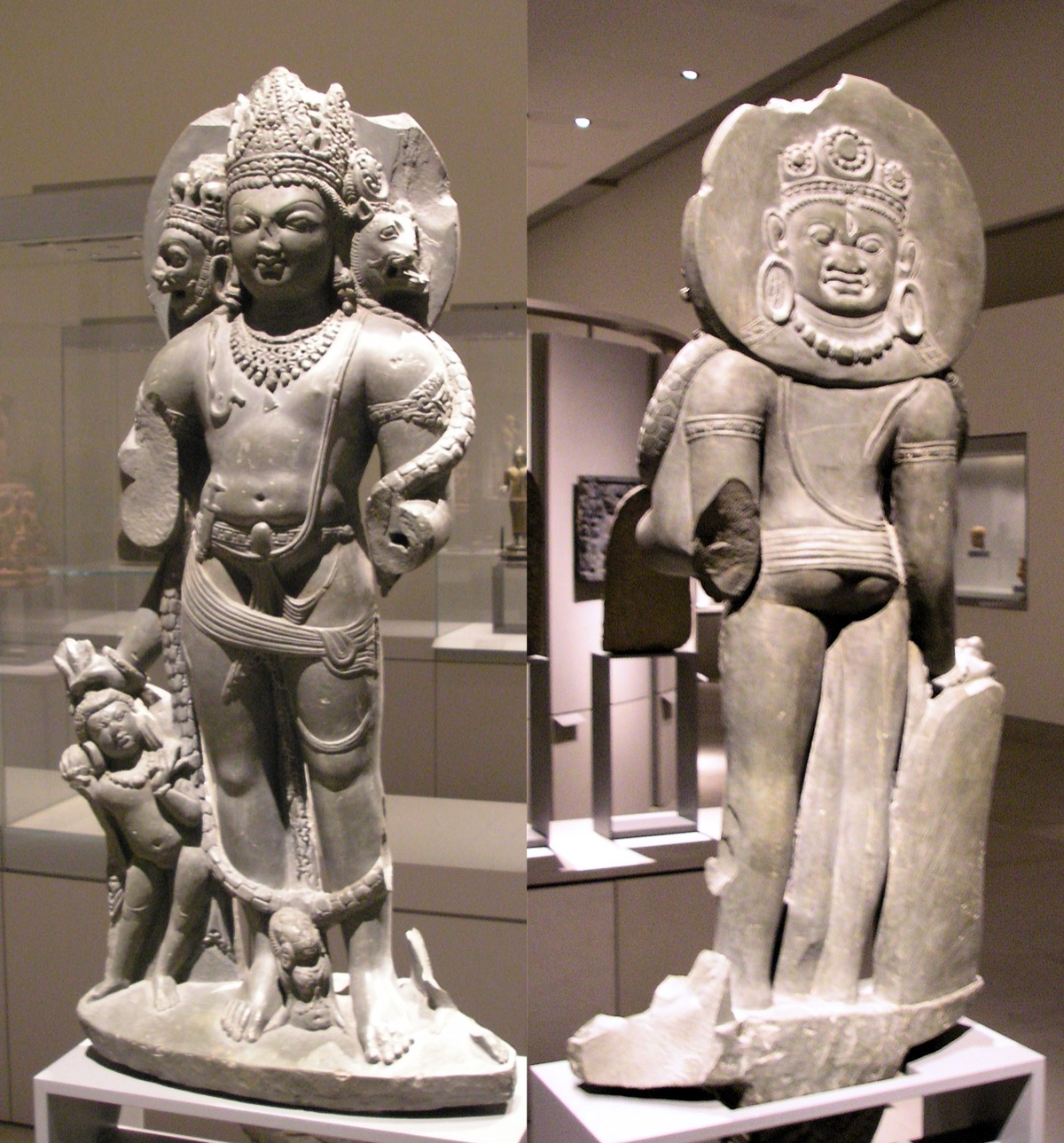
The Achyutāṣṭakam (अच्युताष्टकम्, “Eight Verses to the Infallible One”) is a celebrated devotional hymn attributed to Ādi Śaṅkarāchārya (8th century CE), the towering philosopher-saint who systematized Advaita Vedānta. This compact yet profoundly resonant stotra consists of eight verses (aṣṭaka) praising Lord Vishnu through a cascade of his most sacred names and epithets, with the name Achyuta — “the One who never falls” — serving as the governing invocation.
The hymn is remarkable for its fusion of bhakti (devotion) and jñāna (knowledge), demonstrating that even the greatest Advaitin found it natural and necessary to pour forth his heart in loving praise of the personal God.
The Name Achyuta: The Infallible One
The word Achyuta (अच्युत) is derived from the Sanskrit root cyut (to fall, to slip) with the negative prefix a-. It means “One who never falls from his supreme state,” “The Infallible,” or “He who never fails his devotees.” This name appears as the 100th and 318th name in the Vishnu Sahasranāma, where Ādi Śaṅkarāchārya himself comments:
“Achyutaḥ — na cyavate iti achyutaḥ: He who never falls from his own nature, who is eternally perfect and unchanging.”
In Vaishnava theology, Achyuta is one of the twenty-four names of Vishnu used in the Keśavādi-dhyāna (meditation on the twenty-four forms). It signifies the Lord’s absolute reliability — his promise to protect his devotees is one from which he never deviates. As Krishna declares in the Bhagavad Gītā (9.31):
“kaunteya pratijānīhi na me bhaktaḥ praṇaśyati” “O son of Kuntī, declare it boldly — my devotee never perishes.”
This is the essence of Achyuta: the Lord’s unwavering fidelity to those who take refuge in him.
Verse-by-Verse Exploration
Verse 1: The Cascade of Divine Names
achyutaṁ keśavaṁ rāmanārāyaṇaṁ kṛṣṇadāmodaraṁ vāsudevaṁ harim | śrīdharaṁ mādhavaṁ gopikāvallabhaṁ jānakīnāyakaṁ rāmacandraṁ bhaje ||
“I worship Achyuta, Keśava, Rāma, Nārāyaṇa, Krishna, Dāmodara, Vāsudeva, Hari, Śrīdhara, Mādhava, the Beloved of the Gopīs, the Lord of Jānakī — Shrī Rāmachandra.”
This opening verse establishes the hymn’s distinctive technique: a garland of divine names (nāmāvalī) strung together in a single rhythmic sweep. Each name carries immense theological weight:
- Achyuta: The Infallible One
- Keśava: The Lord of beautiful hair, or the one who encompasses Brahmā (Ka), Śiva (Īśa), and himself
- Rāma: The source of all joy (ramayati iti rāmaḥ)
- Nārāyaṇa: The refuge of all beings
- Krishna: The all-attractive one, dark-complexioned like a rain cloud
- Dāmodara: The one bound by a rope around his belly — referencing the childhood līlā when Yaśodā tied the infant Krishna
- Vāsudeva: The son of Vasudeva, and the one who dwells in all beings
- Hari: The remover of sins and suffering
- Śrīdhara: The bearer of Śrī (Lakshmi)
- Mādhava: The consort of Mā (Lakshmi), or the descendant of the Madhu dynasty
- Gopikāvallabha: The Beloved of the cowherd maidens of Vṛndāvana
- Jānakīnāyaka: The Lord and husband of Sītā (Jānakī)
- Rāmachandra: Rāma, beautiful as the moon
Verses 2-7: Expanding the Divine Portrait
The subsequent verses continue this technique of nāma-saṅkīrtana (chanting of divine names), each verse introducing new epithets while maintaining the musical rhythm of the aṣṭaka form:
Verse 2 invokes the Lord as Viṣṇu (the all-pervading), Nṛsiṁha (the man-lion who destroyed Hiraṇyakaśipu), and Govinda (the protector of cows and knower of all speech).
Verse 3 focuses on the Lord’s cosmic roles — as Padmanābha (from whose navel the lotus of creation springs), Puṇḍarīkākṣa (the lotus-eyed), and Vāmana (the dwarf incarnation who measured the three worlds).
Verse 4 celebrates the Lord’s relationship with his devotees — as Dīnabandhu (friend of the helpless), Bhaktapriya (beloved of devotees), and Karuṇāsindhu (ocean of compassion).
Verse 5 praises the Lord’s supreme beauty — his dark complexion like a fresh rain cloud (nīlameghasyāma), his yellow silk garments (pītāmbaradhara), and his garland of forest flowers (vanamālā).
Verse 6 invokes the Lord’s weapons and attributes — the Sudarśana Cakra (the spinning discus), the Pāñcajanya conch, the Kaumodakī mace, and the Nandaka sword.
Verse 7 addresses the Lord’s līlā (divine play) — lifting Govardhana hill, slaying the serpent Kāliya, stealing butter as infant Krishna, and dancing the Rāsa Līlā with the gopīs.
Verse 8: The Concluding Devotion
The eighth and final verse brings the hymn to its devotional climax, with the poet declaring his total dependence on Achyuta and praying for liberation (mokṣa) through the Lord’s grace alone. This concluding verse transforms the hymn from a litany of praise into an act of śaraṇāgati (surrender).
Śaṅkarāchārya as Devotional Poet
The attribution of the Achyutāṣṭakam to Ādi Śaṅkarāchārya is significant because it challenges the popular misconception that the great Advaitin was indifferent to devotion. While Śaṅkara’s philosophical works establish that Brahman — the formless, attributeless Absolute — is the ultimate reality, his devotional compositions reveal a rich personal relationship with the saguṇa (with attributes) forms of God.
Śaṅkara composed numerous stotras to various deities:
- Bhaja Govindam — to Krishna
- Śivānandalaharī — to Śiva
- Saundaryalaharī — to Devī
- Kanakadhāra Stotram — to Lakshmi
- Achyutāṣṭakam — to Vishnu as Achyuta
In his philosophical framework, devotion to the personal God (saguṇa-brahma-upāsanā) is not opposed to the knowledge of the impersonal Absolute but rather serves as a preparatory stage and an expression of realized truth. The jñānī (knower of Brahman) does not cease to worship; rather, worship becomes spontaneous and effortless, freed from the desire for personal gain.
The Achyutāṣṭakam exemplifies this: it asks for nothing but the joy of praising the Lord. There is no petition for wealth, health, or even liberation — only the pure delight of nāma-saṅkīrtana.
The Aṣṭaka Form in Sanskrit Literature
The aṣṭaka (“group of eight”) is one of the most beloved verse forms in Sanskrit devotional literature. By limiting the composition to exactly eight verses, the form imposes a discipline of concision and intensity. Each verse must carry its full weight, and the cumulative effect of eight such verses creates a concentrated devotional experience.
Other famous aṣṭaka compositions include:
- Śivāṣṭakam — attributed to Chaitanya Mahāprabhu
- Kṛṣṇāṣṭakam — multiple versions by various poets
- Liṅgāṣṭakam — in praise of the Śiva Liṅga
- Madhurāṣṭakam — by Vallabhāchārya, praising Krishna’s sweetness
- Jagannāthāṣṭakam — attributed to Śaṅkarāchārya
The Achyutāṣṭakam stands within this rich tradition as one of its most accessible and musically appealing examples.
Theological Themes
Nāma-Māhātmya: The Power of Divine Names
The Achyutāṣṭakam is essentially a garland of names. Each verse strings together multiple divine names in a single rhythmic flow, creating a verbal mālā (garland) offered to the Lord. This reflects the pan-Hindu teaching that the divine name is non-different from the deity himself. As the Padma Purāṇa states:
“nāma cintāmaṇiḥ kṛṣṇaś caitanya-rasa-vigrahaḥ” “The name of Krishna is a wish-fulfilling gem; it is the embodiment of spiritual consciousness and bliss.”
Unity of Avatāras
By weaving together names of Rāma (Jānakīnāyaka, Rāmachandra), Krishna (Gopikāvallabha, Dāmodara), Narasiṁha, Vāmana, and the cosmic Nārāyaṇa in a single verse, the Achyutāṣṭakam affirms the Vaishnava teaching that all incarnations are manifestations of one Supreme Lord. The name Achyuta itself unifies them all — for the Lord who never falls is the same in every form.
Bhakti as Jñāna
Coming from the pen of the Advaita master, the Achyutāṣṭakam demonstrates that true knowledge does not dry up devotion but deepens it. The one who knows that all is Brahman can still — indeed, must — worship, because the worship itself is an expression of the non-dual reality. The devotee, the deity, and the hymn are ultimately one.
Recitation and Practice
The Achyutāṣṭakam is traditionally recited:
- During daily morning prayers (prātaḥ-smāraṇa)
- On Ekādaśī — the Vaishnava fasting day sacred to Vishnu
- During Viṣṇu Pūjā — formal worship of Lord Vishnu
- On Vaikuṇṭha Ekādaśī — the most auspicious Ekādaśī of the year
- As part of Pañchāyatana Pūjā in the Smārta tradition
The hymn’s brevity (eight verses) makes it ideal for daily recitation. A single recitation takes approximately 3 to 5 minutes, yet its concentrated devotional power is considered equal to much longer compositions.
Musical Renderings
The Achyutāṣṭakam has been set to music by numerous Carnatic and Hindustani vocalists. Its rhythmic structure, with alternating long and short syllables in the śārdūlavikrīḍita metre, lends itself naturally to melodic rendering. Notable recordings include versions by M.S. Subbulakshmi, Bombay Sisters, and Priya Sisters.
The hymn is also widely used in bhajan sessions and satsang gatherings, where its simple refrain and accessible vocabulary make it suitable for congregational singing.
The Enduring Appeal
The Achyutāṣṭakam endures because it offers what every devotee seeks: a direct, unmediated encounter with the Divine through the power of sacred names. Its beauty lies not in philosophical complexity but in the sheer abundance of divine names flowing one after another like an unbroken stream of devotion.
As the opening verse proclaims, the devotee’s entire spiritual practice can be distilled into a single act:
“bhaje” — “I worship.”
This single word, placed at the climax of each verse, is the heartbeat of the Achyutāṣṭakam. All the names, all the theology, all the poetry converge in this one simple declaration: I worship the Lord who never fails — Achyuta.