Makar Sankrānti (मकर संक्रान्ति) is one of the most ancient and widely observed festivals in Hindu tradition, celebrated on or around 14 January each year when the sun transitions from the zodiacal sign of Dhanus (Sagittarius) into Makara (Capricorn). Unlike most Hindu festivals, which follow the lunar calendar, Makar Sankrānti is determined by the solar calendar (sauramāna), making it one of the few fixed-date celebrations in the Hindu liturgical year. The festival marks the commencement of Uttarāyaṇa — the sun’s northward journey — a period considered supremely auspicious in Vedic cosmology.
Etymology and Astronomical Significance
The term Sankrānti derives from the Sanskrit saṁkrānti (संक्रान्ति), meaning “transition” or “passage,” referring specifically to the sun’s movement from one zodiacal sign (rāśi) to the next. Makara is the Sanskrit name for Capricorn, the crocodile-like mythical creature (makara) that serves as the vāhana (vehicle) of the river goddess Gaṅgā and the sea god Varuṇa.
The astronomical event underlying the festival is the winter solstice transition — the point at which the sun begins its apparent northward journey along the ecliptic. In Vedic astronomy (jyotiṣa), this northward movement is called Uttarāyaṇa (उत्तरायण, “northern path”), and the period from Makar Sankrānti to the summer solstice (approximately six months) is considered the “day of the gods” (devayāna). The Bhagavad Gītā (8.24) states:
agnir jyotir ahaḥ śuklaḥ ṣaṇmāsā uttarāyaṇam / tatra prayātā gacchanti brahma brahmavido janāḥ — “Fire, light, day, the bright fortnight, the six months of the sun’s northward path — departing in these, the knowers of Brahman attain Brahman.”
This verse established the theological significance of Uttarāyaṇa as the most auspicious period for spiritual practices, charitable acts, and even the departure of the soul from the body. The Mahābhārata records that Bhīṣma — the grand patriarch who had the boon of choosing the time of his own death — lay on a bed of arrows through the entire Dakṣiṇāyana period, waiting for the arrival of Uttarāyaṇa to relinquish his life (Anuśāsana Parva 167.24-28).
Vedic Roots: Sūrya Worship
The veneration of Sūrya (the sun deity) is among the oldest strands of Hindu worship, with deep roots in the Ṛg Veda. The celebrated Gāyatrī Mantra (Ṛg Veda 3.62.10) — “Oṃ bhūr bhuvaḥ svaḥ / tat savitur vareṇyaṃ / bhargo devasya dhīmahi / dhiyo yo naḥ pracodayāt” — is addressed to Savitṛ, the solar deity as the source of all illumination and consciousness. The Sūrya Sūkta (Ṛg Veda 1.115) further praises the sun as the “eye of Mitra and Varuṇa,” the cosmic witness who dispels darkness and sustains all life.
Makar Sankrānti is thus not merely an agricultural marker but a continuation of the most ancient Vedic solar theology — the recognition that the sun is the visible form of the divine, the sustainer of ṛta (cosmic order), and the source of all earthly abundance.
The Sacred Offerings: Til and Guḍ
A defining feature of Makar Sankrānti across all regions is the preparation and distribution of sweets made from til (तिल, sesame seeds) and guḍ (गुड़, jaggery). In Maharashtra, the exchange of tilguḷ is accompanied by the phrase: “Tilguḷ ghyā, goḍ goḍ bolā” (“Accept this sesame-jaggery and speak sweetly”). This is not merely a social nicety but carries deeper symbolism.
Sesame seeds are mentioned in the Dharmasūtras and Gṛhyasūtras as one of the primary offerings in fire rituals (homa). The Manusmṛti (3.267) lists tila among the substances most pleasing to the pitṛs (ancestors) during śrāddha ceremonies. On Makar Sankrānti, the offering of sesame is therefore simultaneously an act of ancestor worship, solar veneration, and social harmony.
The nutritional logic is equally sound: sesame seeds are rich in oil and provide essential warmth and calories during the peak of winter — a reminder that Hindu festivals often integrate spiritual meaning with practical wisdom rooted in the agricultural calendar.
Regional Celebrations
Gujarat and Rajasthan: Uttarāyaṇ and the Kite Festival
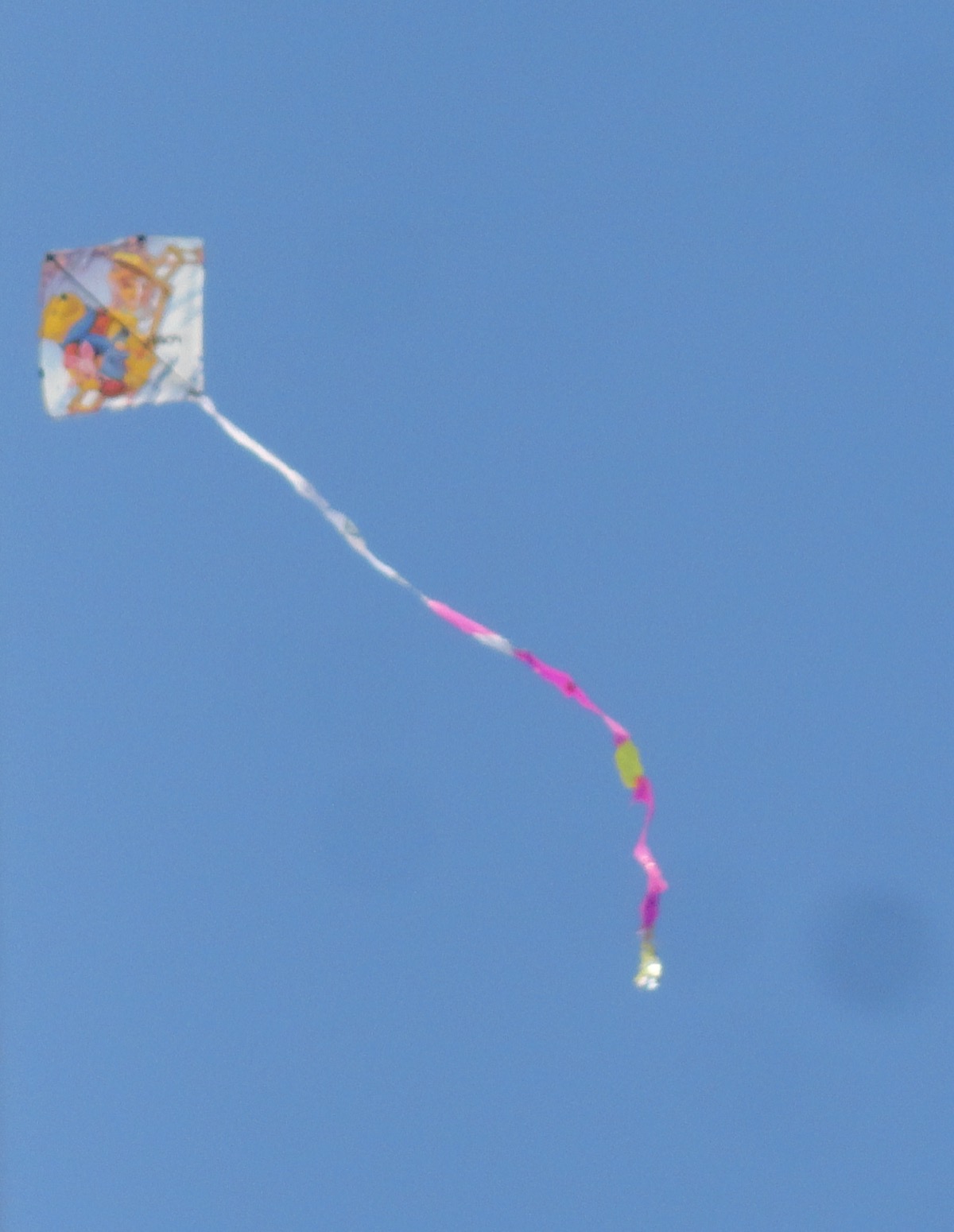
In Gujarat, Makar Sankrānti is celebrated as Uttarāyaṇ and is synonymous with the spectacular International Kite Festival (Patang Utsav). The skies of Ahmedabad, Surat, Vadodara, and Jaipur are filled with thousands of colourful kites of every shape and size. Families gather on rooftops, engaging in spirited kite-flying competitions. The symbolism is clear: as the sun rises higher in its northward journey, human aspirations too soar upward.
The two-day festival (14-15 January) features undhiyu (a mixed vegetable dish baked underground), jalebi, and chikki (sesame-jaggery brittle). The kite-flying tradition is so integral to Gujarati identity that the state government has promoted it as an international tourism event, drawing participants from over 40 countries.
Tamil Nadu: Pongal
In Tamil Nadu, the festival is celebrated as Pongal (பொங்கல்) — a four-day harvest thanksgiving that is the most important festival of the Tamil calendar. The word pongal means “to boil over,” referring to the ceremonial boiling of fresh rice with milk and jaggery in a new clay pot until it overflows — a symbol of abundance and prosperity.
The four days are: Bhogi Pongal (discarding old belongings), Thai Pongal (the main day of cooking and offering to Sūrya), Maṭṭu Pongal (honouring cattle, especially bulls and cows who are essential to agriculture), and Kāṇum Pongal (family gatherings and outings). The kolam (floor patterns drawn with rice flour) and the decoration of cattle with garlands and paint are distinctive features. In the Madurai region, the bull-taming sport Jallikkaṭṭu is an ancient tradition associated with Pongal, attested in Sangam-era literature (circa 3rd century BCE to 3rd century CE).
Karnataka: Ellu Birodhu
In Karnataka, the festival is called Sankrānti or Ellu Birodhu (“sesame exchange”). Women visit each other’s homes exchanging a mixture of fried sesame seeds, coconut shavings, jaggery, and peanuts — called ellu bella. Newly married women receive gifts (bagina) from their natal families, and cattle are decorated and taken in processions.
Assam: Magh Bihu
In Assam, Makar Sankrānti coincides with Magh Bihu (Bhogali Bihu), a harvest festival marked by community feasts, bonfires (meji), and traditional games. The night before, families build temporary huts (bhelaghar) from bamboo and thatch, in which they feast communally before burning the structures at dawn as an offering to Agni, the fire god.
Punjab: Lohri
In Punjab, the eve of Makar Sankrānti is celebrated as Lohri — a bonfire festival honouring Agni and the winter harvest. Families gather around bonfires, offering peanuts, popcorn, rewari (jaggery sweets), and sesame into the flames while singing folk songs. Lohri holds special significance for families celebrating the birth of a child or a recent marriage.
Sacred Bathing and Pilgrimage
Makar Sankrānti is one of the most important days for sacred river bathing (snāna) in the Hindu tradition. The confluence of the Gaṅgā, Yamunā, and the mythical Sarasvatī at Prayāgraj (Allahabad) — the Triveṇī Saṅgam — draws millions of pilgrims for a ritual bath believed to wash away lifetimes of accumulated pāpa (sin).
At Gaṅgāsāgar in West Bengal — where the Gaṅgā meets the Bay of Bengal — the annual Gaṅgāsāgar Melā is one of the largest pilgrim gatherings in India, second only to the Kumbha Melā. The saying goes: “Sab tīrath bār bār, Gaṅgāsāgar ek bār” — “All pilgrimages may be repeated, but Gangasagar need be visited only once.” The Mahābhārata (Vana Parva 85.92) praises the Gaṅgā-Sāgara confluence as a tīrtha (sacred ford) of supreme merit.
Dāna (Charity) and Social Ethics
Makar Sankrānti is considered among the most auspicious days for dāna (दान, charitable giving). The Dharmaśāstras prescribe gifts of sesame, jaggery, blankets, warm clothing, and food to Brāhmaṇas and the poor on this day. The Garuḍa Purāṇa (I.222) extols the merit of giving sesame seeds on Makar Sankrānti as equivalent to performing great penances.
This emphasis on charity during the harvest season reflects a fundamental Hindu ethical principle: the fruits of the earth belong ultimately to the divine, and the farmer’s proper response to abundance is not hoarding but sharing. The festival thus transforms an economic event (the winter harvest) into a spiritual practice of gratitude and generosity.
The Deeper Philosophy
Makar Sankrānti teaches that time itself is sacred. The solar transit is not merely a physical phenomenon but a cosmic rhythm that connects human life to the divine order. The sun’s northward journey symbolizes the soul’s ascent from the darkness of tamas (ignorance) toward the light of sattva (purity and knowledge).
The festival’s emphasis on food, community, and gratitude reflects the Hindu understanding that anna (food) is Brahman — that the entire chain from sunlight to harvest to shared meal is a manifestation of divine grace. The Taittirīya Upaniṣad (3.2) declares: “annaṃ brahmeti vyajānāt” — “He knew that food is Brahman.” In this light, Makar Sankrānti is not simply a harvest thanksgiving but a celebration of the cosmic process by which divine light becomes the sustenance of all living beings.
As families across India fly kites into the January sky, share sesame sweets with neighbours, bathe in sacred rivers at dawn, and offer the first grains of the harvest to the sun — they participate in a tradition that stretches back to the Ṛg Vedic seers who first recognized in the rising sun the visible face of the Absolute.