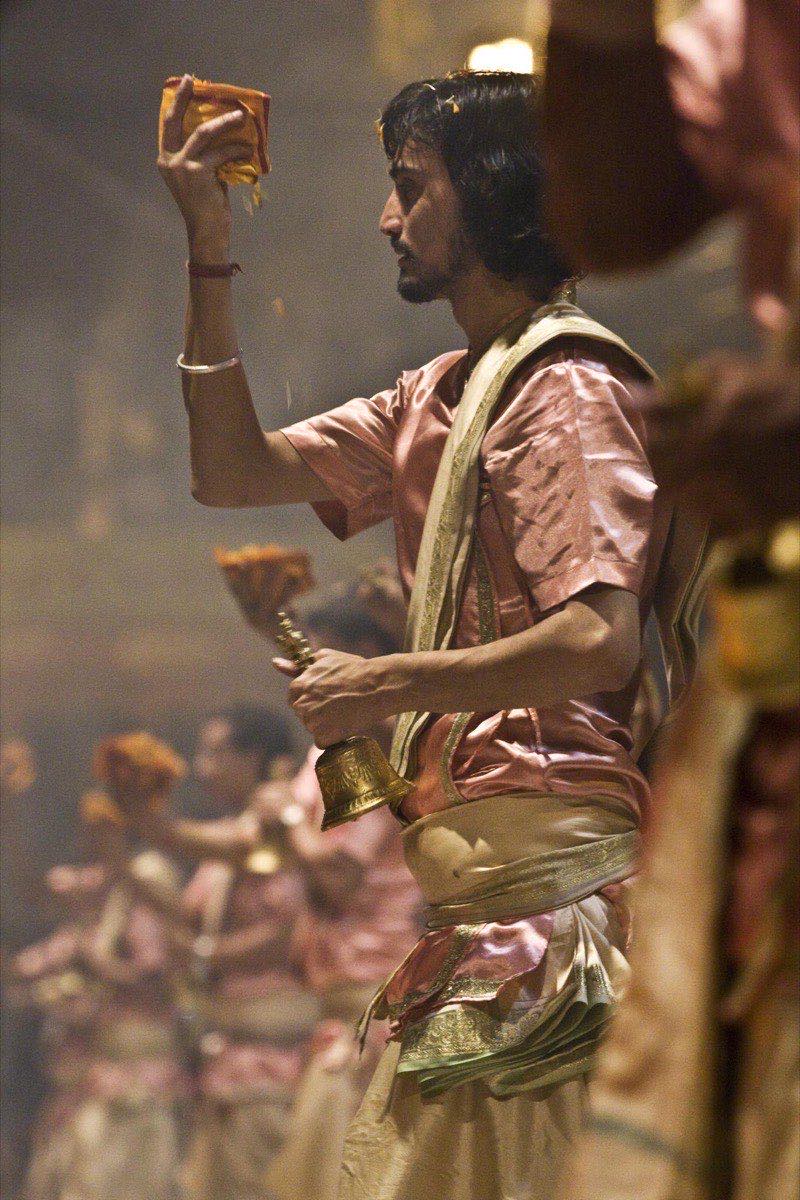
Pūjā (पूजा) is the most common form of worship in Hinduism — a devotional act through which a devotee honors, reveres, and connects with the Divine. From the simple morning prayer at a household shrine to the grand temple ceremonies involving elaborate rituals and Vedic chanting, pūjā is the beating heart of Hindu spiritual practice.
Etymology and Meaning
The word pūjā is derived from the Sanskrit root pūj, meaning “to honor” or “to revere.” Some scholars trace it further to the Dravidian root pū (flower) combined with cey (to do), suggesting the original act of offering flowers to a deity. This etymology is fitting, as flowers remain one of the most essential offerings in worship.
In its broadest sense, pūjā encompasses any act performed with devotion — from the mental recitation of a mantra to the elaborate sixteen-step temple ritual. The Bhagavad Gītā (9.26) captures this spirit:
patraṁ puṣpaṁ phalaṁ toyaṁ yo me bhaktyā prayacchati — “Whoever offers Me a leaf, a flower, a fruit, or water with devotion, I accept that offering.”
This verse reminds devotees that the sincerity of the heart matters more than the grandeur of the ritual.
Philosophical Foundations
The Āgama Tradition
The systematic framework for pūjā comes primarily from the Āgama texts, a vast body of literature that governs temple architecture, ritual procedure, and worship methodology. The Shaiva Āgamas (such as the Kāmikāgama and Kāraṇāgama), Vaishnava Āgamas (the Pāñcarātra and Vaikhānasa texts), and Shākta Āgamas each prescribe detailed pūjā procedures tailored to their respective traditions.
The Āgamas teach that the deity, when properly installed (prāṇapratiṣṭhā) in an image (mūrti), becomes a living presence — not a mere symbol, but a vessel through which the devotee can access the Divine. Pūjā is thus an act of attending to an honored guest: the Lord is invited, seated, bathed, adorned, fed, and honored, just as one would welcome a revered visitor into one’s home.
Darśana: Seeing and Being Seen
Central to the pūjā experience is darśana — the act of seeing the deity and, equally, being seen by the deity. As scholar Diana Eck explains, the eyes of the mūrti are considered the most important feature; they are often the last element to be carved and the first to be “opened” during consecration. When a devotee stands before the deity and receives darśana, a reciprocal exchange of grace and devotion takes place.
Types of Pūjā
Hindu tradition classifies pūjā into three broad categories:
1. Nitya Pūjā (Daily Worship)
Nitya pūjā is the daily worship that every devout Hindu is expected to perform. Whether it is the simple lighting of a lamp before a home shrine or the elaborate morning rituals in a major temple, nitya pūjā establishes and sustains the devotee’s relationship with the Divine. The Manusmṛti and other Dharmaśāstra texts emphasize the importance of daily worship as a fundamental duty (nitya karma).
2. Naimittika Pūjā (Occasional Worship)
Naimittika pūjā is performed on specific occasions — festivals (utsava), eclipses, seasonal transitions, and life-cycle ceremonies (saṁskāra). Examples include Gaṇeśa Catūrthī pūjā, Navarātri celebrations, and the annual pūjā performed at a temple’s founding anniversary. These rituals mark the intersection of cosmic time with human devotion.
3. Kāmya Pūjā (Desire-Motivated Worship)
Kāmya pūjā is performed to fulfill a specific wish or desire — recovery from illness, success in an undertaking, or the birth of a child. While orthodox texts sometimes regard kāmya rituals as spiritually inferior to selfless worship, they remain an important and compassionate part of the tradition, acknowledging that human beings approach the Divine with real needs.
The Sixteen Steps of Pūjā (Ṣoḍaśopacāra)
The most complete form of formal pūjā follows the ṣoḍaśopacāra — the “sixteen services” offered to the deity. Each step mirrors the hospitality one would extend to an honored guest:
- Āvāhana — Invocation: inviting the deity to be present in the mūrti
- Āsana — Seat: offering a seat to the deity
- Pādya — Water for the feet: washing the deity’s feet
- Arghya — Water for the hands: offering water for washing the hands
- Ācamanīya — Water for sipping: offering sanctified water to drink
- Snāna / Abhiṣeka — Bathing: ceremonial bathing with water, milk, honey, yogurt, and other substances (pañcāmṛta)
- Vastra — Clothing: offering fresh garments to the deity
- Upavīta / Yajñopavīta — Sacred thread: offering the sacred thread
- Gandha — Sandalwood paste: applying fragrant paste
- Puṣpa — Flowers: offering flowers, particularly those sacred to the deity
- Dhūpa — Incense: waving incense before the deity
- Dīpa — Lamp: offering a lit lamp (the beloved āratī)
- Naivedya — Food offering: presenting sanctified food (prasāda)
- Tāmbūla — Betel leaf: offering betel leaf and nut
- Pradakṣiṇā — Circumambulation: walking clockwise around the deity
- Namaskāra / Prārthanā — Prostration and prayer: final salutation
In practice, many home rituals simplify these steps. A common abbreviated form (pañcopacāra, five offerings) includes gandha (fragrance), puṣpa (flowers), dhūpa (incense), dīpa (lamp), and naivedya (food).
Essential Items of Pūjā
A traditional pūjā thālī (worship plate) contains several essential items:
- Dīpa / Dīyā — An oil lamp or ghee lamp, symbolizing the light of knowledge
- Agarbattī — Incense sticks, purifying the atmosphere and representing the element of air
- Puṣpa (Flowers) — Fresh flowers, especially marigolds, jasmine, hibiscus, and lotus, each associated with particular deities
- Kumkum and Haldī — Vermilion and turmeric powder for tilaka marking
- Akṣata — Unbroken rice grains, symbolizing abundance and auspiciousness
- Camphor — Burned during āratī, its complete burning symbolizes the dissolution of the ego
- Candana (Sandalwood paste) — Applied to the deity, representing purity and coolness
- Jala (Water) — Contained in a small vessel (kalasha), used throughout the ritual
- Naivedya — Food offerings, typically fruits, sweets, or cooked food
- Śaṅkha (Conch shell) — Blown to mark the beginning and end of worship, its sound represents the primordial Oṁ
- Ghaṇṭā (Bell) — Rung during worship, believed to dispel negative energies and alert the deity
Āratī: The Culminating Act
Āratī (आरती) is often the emotional climax of pūjā. The devotee waves a lit lamp — typically with camphor or ghee-soaked wicks — in a clockwise circular motion before the deity while singing devotional hymns. The flame illuminates the deity’s face, and devotees then cup their hands over the flame and touch their eyes and forehead, symbolically receiving the divine light.
Famous āratī hymns include the Om Jai Jagadīśa Hare, the Sukhakartā Dukhahartā (to Gaṇeśa in Marathi tradition), and the Ganga Āratī performed nightly at Varanasi’s Daśāśvamedha Ghāṭ — a spectacular ceremony involving multiple priests, towering multi-tiered lamps, conch shells, and bells.
Temple Worship vs. Home Worship
Temple Pūjā
In Hindu temples, pūjā is conducted by trained priests (pujārī or arcaka) who follow the precise procedures laid down in the Āgama texts specific to that temple’s tradition. Major temples conduct multiple pūjā sessions daily — typically at dawn (prātaḥ), midday (madhyāhna), evening (sāyam), and night (śayana). The deity is treated as a royal personage: awakened, bathed, dressed, fed, entertained, and put to sleep.
The temple garbhagṛha (sanctum sanctorum) houses the main deity, and only authorized priests may enter this innermost chamber. Devotees receive darśana from outside the sanctum and accept prasāda — food and other offerings that have been blessed by the deity.
Home Pūjā (Gṛha Pūjā)
Home worship is more intimate and flexible. Most Hindu households maintain a pūjā ghar (prayer room) or a small shrine with images of family deities (iṣṭadevatā). The daily home pūjā typically includes:
- Lighting a lamp and incense
- Offering fresh flowers and water
- Reciting prayers, stotras, or a few verses from sacred texts
- Performing a simple āratī
- Distributing prasāda to family members
Home pūjā allows for personal devotion and spontaneity in a way that formal temple ritual does not. It is often the mother or grandmother who maintains the home shrine and leads the family in worship — a role of deep cultural significance.
Regional Variations
Pūjā practices vary richly across India’s diverse cultural landscape:
-
Bengali Pūjā — West Bengal is renowned for its grand community pujas, especially Durgā Pūjā, where enormous pandals (temporary structures) house elaborately crafted clay idols. The ṣaṣṭhī to daśamī celebrations during Navarātri are among the largest public festivals in the world.
-
South Indian Pūjā — In Tamil Nadu, Kerala, and Karnataka, temple worship follows the Āgamic tradition with great precision. The abhiṣeka (ceremonial bathing) is particularly elaborate, often using milk, coconut water, honey, and sandalwood paste. Temples in this region frequently perform the sahasranāma archanā — recitation of a thousand names of the deity.
-
Maharashtrian Pūjā — Maharashtra’s vibrant Gaṇapati tradition features both home and community worship. During Gaṇeśa Catūrthī, families install clay Gaṇeśa mūrtis in their homes for one to ten days before immersion (visarjana).
-
North Indian Pūjā — The Varanasi Gangā Āratī is one of India’s most iconic worship ceremonies. In Vrindāvana, Kṛṣṇa pūjā follows the aṣṭayāma sevā — eight daily worship sessions corresponding to events in Kṛṣṇa’s daily life.
-
Odia and Eastern Traditions — In Odisha, the Jagannātha temple at Purī follows the unique daitāpati sevā system, while Assam’s Kāmākhyā temple has distinctive Tāntric pūjā practices.
The Inner Pūjā (Mānasika Pūjā)
Beyond external rituals, Hindu philosophy recognizes mānasika pūjā — mental worship performed entirely through visualization and meditation. The Śivapurāṇa and various Tantric texts describe how an advanced practitioner can perform every step of the ṣoḍaśopacāra internally, constructing the temple, the deity, and the offerings within the mind.
Ādi Śaṅkarācārya’s Śivamānasapūjā Stotram is a celebrated example of this tradition, describing an elaborate mental pūjā to Lord Śiva:
ratnaiḥ kalpitam āsanaṁ himajalaiḥ snānaṁ ca divyāmbaraṁ — “I imagine a jeweled throne, a bath of Himalayan waters, and divine garments…”
This inner worship is considered the highest form of pūjā, for it requires no external materials — only a heart completely absorbed in devotion.
Pūjā in Daily Life
For millions of Hindus, pūjā is not confined to temples or designated prayer rooms. The spirit of pūjā infuses daily life: the lighting of a lamp at dusk (sandhyā dīpa), the gesture of touching one’s eyes after seeing a sacred flame, the offering of the first portion of a meal, and the respectful greeting of namaskāra with joined palms — all are expressions of the same devotional impulse.
Pūjā teaches that the Divine is not remote or abstract but intimately present — in the flame, the flower, the fragrance, and the face of the deity. It is through this daily, embodied, sensory engagement with the sacred that millions of Hindus sustain their spiritual lives, generation after generation.